



In today's fast-paced society, anxiety has become an increasingly common struggle. Many individuals turn to medication as a quick fix to manage their symptoms, but there are also effective strategies available for overcoming anxiety without relying on pharmaceuticals. Understanding anxiety and its impact, exploring mind-body techniques, adopting a healthy lifestyle, and utilizing cognitive-behavioral techniques are all promising approaches in managing anxiety without medication.
Understanding Anxiety and Its Impact
Anxiety is a complex emotional state that can have profound effects on an individual's mental and physical well-being. At its core, anxiety is a response to stress, and it can manifest in a variety of ways, such as excessive worry, restlessness, irritability, and difficulty concentrating. To effectively overcome anxiety, it is crucial to comprehend both its biological and psychological underpinnings.One important aspect to consider when delving into the realm of anxiety is the environmental factors that can contribute to its development. Stressful life events, traumatic experiences, and even certain lifestyle choices can all play a significant role in triggering and exacerbating feelings of anxiety. By recognizing these external influences, individuals can begin to address the root causes of their anxiety and work towards creating a more supportive and nurturing environment for themselves.
The Biological Basis of Anxiety
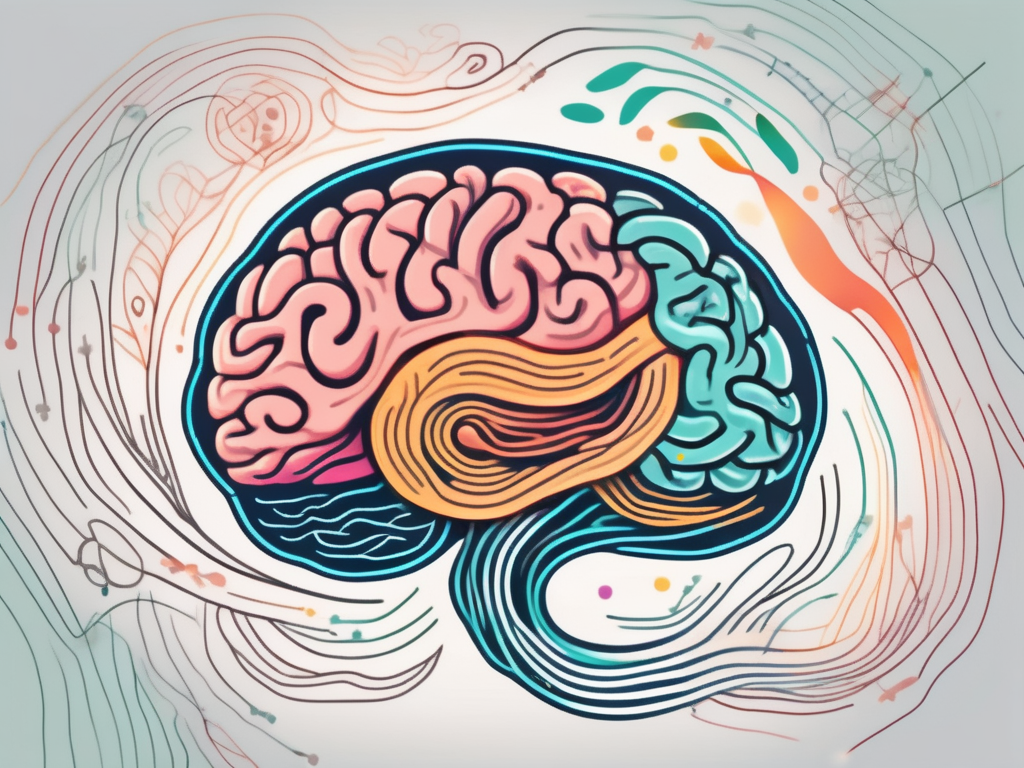
Anxiety is rooted in the intricate interplay between brain chemistry and genetics. Certain neurotransmitters, such as serotonin and norepinephrine, play a key role in regulating mood and anxiety levels. Understanding these biological factors can help individuals better appreciate the physiological basis of their anxiety and pave the way for exploring alternative strategies for managing it.Moreover, recent research has also highlighted the role of neuroplasticity in shaping how individuals experience and respond to anxiety. The brain's ability to rewire and adapt in response to new experiences and behaviors offers hope for those struggling with anxiety, as it suggests that positive changes in thought patterns and coping mechanisms can lead to lasting improvements in mental well-being.
The Psychological Effects of Anxiety
Anxiety can have a profound impact on an individual's psychological well-being. Persistent worry and fear can lead to a negative thought loop, affecting perception, self-esteem, and overall quality of life. By grasping the psychological effects of anxiety, individuals can gain insight into their own thought patterns and begin to develop effective coping strategies.Furthermore, it is essential to acknowledge the social implications of anxiety, as the condition can impact relationships, work performance, and overall social functioning. By fostering open and honest communication with loved ones and seeking support from mental health professionals, individuals can navigate the challenges posed by anxiety and cultivate a strong support network that promotes healing and growth.
The Role of Medication in Anxiety Treatment
While medication can offer temporary relief from anxiety symptoms, it is important to consider both the benefits and drawbacks. Common medications for anxiety, such as selective serotonin reuptake inhibitors (SSRIs) and benzodiazepines, can have potential side effects and may not address the underlying causes of anxiety. It is essential to have a comprehensive understanding of medication options before making a decision.When exploring medication as a treatment option for anxiety, it is crucial to consult with a healthcare provider to discuss the potential benefits and risks associated with different medications. Additionally, it is important to consider individual factors such as medical history, co-occurring conditions, and lifestyle preferences to determine the most suitable treatment approach.
Common Medications and Their Side Effects
SSRIs, commonly prescribed for anxiety, work by increasing serotonin levels in the brain. While they can be effective in reducing anxiety symptoms, they can also cause side effects such as nausea, insomnia, and sexual dysfunction. Similarly, benzodiazepines, which act as sedatives, can lead to drowsiness, memory impairment, and, in some cases, dependence. It is crucial to weigh the potential benefits against these risks.In addition to SSRIs and benzodiazepines, other medications such as beta-blockers and tricyclic antidepressants may also be prescribed for anxiety management. Beta-blockers can help reduce physical symptoms of anxiety, such as rapid heart rate and trembling, while tricyclic antidepressants may be used for individuals who do not respond to other medications. Each medication comes with its own set of potential side effects and considerations, underscoring the importance of personalized treatment plans.
The Debate Over Medication Use
The use of medication for anxiety treatment is not without controversy. Some argue that medications only provide temporary relief and do not address the underlying causes of anxiety. Others believe that medication can play a valuable role in managing acute symptoms and providing individuals with the stability needed to engage in therapy or other non-pharmacological interventions. It is crucial to consider both perspectives when exploring treatment options.Furthermore, ongoing research is being conducted to explore new medications and treatment approaches for anxiety disorders. From novel pharmacological agents targeting specific neurotransmitters to innovative delivery methods, the field of psychopharmacology continues to evolve. Staying informed about the latest developments in medication-assisted treatment for anxiety can empower individuals to make well-informed decisions about their mental health care.