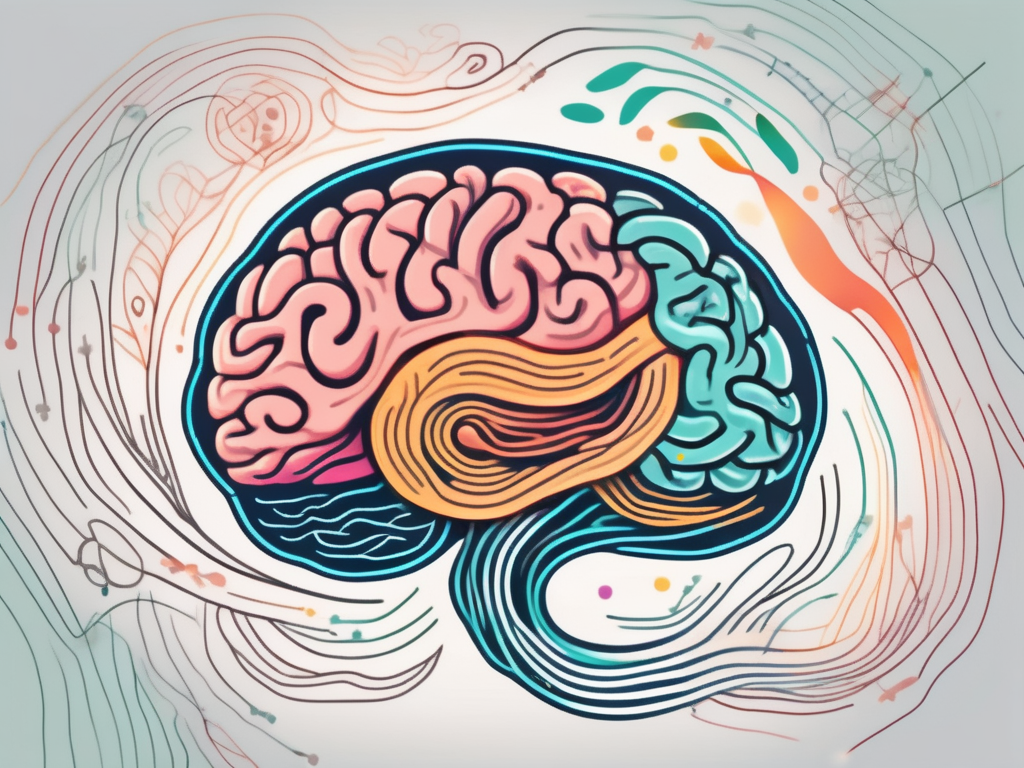
The field of neuroscience has made remarkable progress in uncovering the intricate relationship between the gut and the brain. This ever-evolving area of research explores the gut-brain axis, a bidirectional communication system that connects the central nervous system with the enteric nervous system of the gastrointestinal tract. Understanding the influence of gut health on mental wellbeing is crucial in providing holistic approaches to improve overall health and quality of life.
Understanding the Gut-Brain Axis
Before delving into the connection between gut health and mental wellbeing, it is essential to grasp the significance of the gut-brain axis. The gut, often referred to as the “second brain,” is not merely responsible for digestion but also plays a critical role in various physiological processes throughout the body.
The Role of the Gut in the Body
Beyond its primary function of breaking down food and extracting nutrients, the gut houses billions of microorganisms collectively known as the gut microbiota. This complex ecosystem of bacteria, viruses, and fungi not only aids in digestion but also influences metabolic, immunological, and neurobehavioral processes.
The gut microbiota produces essential metabolites, such as short-chain fatty acids and neurotransmitters, playing a vital role in modulating immune function and brain development. Consequently, imbalances within the gut microbiota may have significant implications for overall health.
Furthermore, recent research has shed light on the gut’s involvement in the production of serotonin, a neurotransmitter commonly associated with mood regulation. In fact, approximately 90% of serotonin is produced in the gut. This finding highlights the gut’s influence on mental wellbeing and its potential role in mental health disorders.
How the Gut Communicates with the Brain
The gut and the brain communicate through multiple pathways, including the nervous system, the endocrine system, and the immune system. This intricate communication network enables bidirectional signaling, allowing the gut to influence brain function and vice versa.
One of the primary channels of communication is the vagus nerve, which stretches from the brainstem to the abdomen, innervating various organs along the way. Through this neural pathway, the gut can transmit information to the brain, influencing mood, emotions, and behavior.
In addition to the vagus nerve, the gut also communicates with the brain through the release of various signaling molecules, such as cytokines and hormones. These molecules act as messengers, relaying information between the gut and the brain, further emphasizing the intricate connection between the two.
Moreover, recent studies have highlighted the role of the gut microbiota in this communication process. The gut microbiota produces metabolites that can directly influence the brain, such as gamma-aminobutyric acid (GABA), a neurotransmitter known for its calming effects. This suggests that the gut microbiota not only impacts gut health but also has the potential to influence mental wellbeing through its communication with the brain.
The Importance of Gut Health
Gut health plays a pivotal role in maintaining overall wellbeing. The impact of gut health extends far beyond the realm of digestion, influencing various aspects of physical and mental health.
When we delve deeper into the intricate world of gut health, we uncover a fascinating ecosystem teeming with trillions of microorganisms. These microorganisms, collectively known as the gut microbiota, play a crucial role in maintaining the delicate balance within our digestive system. They aid in breaking down food, synthesizing vitamins, and even regulating our immune response.
The Impact of Gut Health on Overall Health
A healthy gut is associated with enhanced immune function, efficient digestion, and proper absorption of nutrients. Conversely, an imbalanced gut microbiota, also known as dysbiosis, has been linked to numerous health conditions, including inflammatory bowel diseases, obesity, autoimmune disorders, and mental health disorders.
Furthermore, the gut microbiota communicates bidirectionally with the brain through what is known as the gut-brain axis. This intricate communication network influences not only our digestive processes but also our cognitive functions and emotional well-being. The presence of diverse beneficial bacteria in the gut has been associated with improved mood, cognitive function, and stress resilience.
The Consequences of Poor Gut Health
Research has suggested a strong correlation between poor gut health and mental health disorders such as anxiety, depression, and even neurodegenerative diseases. Imbalances in the gut microbiota can impair neurotransmitter production, disrupt the blood-brain barrier, and promote chronic inflammation, all of which contribute to mental health challenges.
Moreover, the repercussions of poor gut health extend beyond mental well-being to impact systemic inflammation and overall physical health. Chronic inflammation, often stemming from an imbalanced gut microbiota, has been implicated in the development of various chronic diseases, including cardiovascular disorders, metabolic syndrome, and certain types of cancer.
Gut Health and Mental Wellbeing
The influence of gut health on mental wellbeing is gaining recognition within the scientific community. Mounting evidence suggests that the gut microbiota directly affects mood, emotions, and stress response, highlighting the significance of gut health in mental health disorders.
The Influence of Gut Health on Mood and Emotions
The gut microbiota produces neurotransmitters, including serotonin and dopamine, which play crucial roles in regulating mood and emotions. Studies have revealed a strong association between imbalanced gut microbiota and increased susceptibility to mood disorders such as depression and anxiety.
Furthermore, the gut microbiota interacts with the hypothalamic-pituitary-adrenal (HPA) axis, a key component of the body’s stress response system. Dysregulation of the HPA axis, influenced by gut health, can contribute to chronic stress, exacerbating mental health conditions.
Gut Health and Stress Response
Stress can have a profound impact on gut health, leading to increased intestinal permeability (leaky gut) and alterations in gut microbiota composition. In turn, these changes can perpetuate a vicious cycle, further impacting mental health and exacerbating stress-induced symptoms.
Improving Gut Health for Better Mental Wellbeing
Given the remarkable influence of gut health on mental wellbeing, strategies to improve gut health have become paramount in both preventive and therapeutic perspectives.
Dietary Changes for Gut Health
Adopting a diet rich in fiber, prebiotics, and probiotics can promote a diverse and healthy gut microbiota. Including fermented foods, such as yogurt, kefir, and sauerkraut, can introduce beneficial bacteria into the gut. Additionally, reducing the intake of processed foods, sugar, and artificial additives can mitigate gut dysbiosis.
Lifestyle Modifications for a Healthier Gut
Regular exercise has been shown to positively influence gut health by enhancing microbial diversity and reducing inflammation. Prioritizing sleep hygiene, managing stress through relaxation techniques or mindfulness, and minimizing the use of antibiotics when unnecessary are also key components in nurturing a healthy gut.
Future Research on Gut Health and Mental Wellbeing
As the understanding of the gut-brain axis deepens, researchers aim to explore potential therapies targeting gut health to improve mental wellbeing.
Potential Therapies Targeting the Gut-Brain Axis
Emerging therapeutic approaches, such as fecal microbiota transplantation (FMT) and psychobiotics, are being investigated for their efficacy in treating mental health disorders. FMT involves transferring healthy gut microbiota from a donor to an individual with dysbiosis, potentially restoring balance to the gut microbiota composition. Psychobiotics, on the other hand, are live organisms or their byproducts that aim to promote mental health by modulating the gut microbiota.
The Limitations of Current Understanding
While research on the gut-brain axis is rapidly advancing, there are still limitations to our understanding. The complexity of the gut microbiota, coupled with individual variations in gut composition, makes it challenging to establish universal recommendations. Further research is required to unravel the intricate mechanisms underlying the gut-brain connection and develop tailored interventions that consider the multifaceted nature of gut health and mental wellbeing.
In conclusion, the connection between gut health and mental wellbeing is an emerging field of study with profound implications for overall health. Understanding the role of the gut-brain axis and adopting strategies to improve gut health can potentially enhance mental wellbeing and contribute to a holistic approach in mental health management. As scientific knowledge continues to expand, the potential for targeted therapies and interventions offers hope for individuals seeking improved mental health through nurturing their gut.